Whoa!
I remember logging into a new extension and feeling my stomach drop. My instinct said the UX was slick, but something felt off about the permissions screen. Initially I thought it was just me being picky, but then realized the way contract approvals are displayed actually hides a lot. On one hand the convenience is obvious; on the other hand you can approve a token forever and never even know you did it.
Seriously?
Yes — seriously. Phishing, malicious dapps, and careless approvals are the three things that bite people the hardest. Most users get tricked not by cryptography, but by interfaces that assume trust. I’m biased, but a smart, opinionated extension wallet helps you see and stop risk before it costs you real ETH or tokens.
Hmm…
Okay, so check this out — there are practical patterns here that matter more than buzzwords. First, understand the threat model: browser extension wallets face UI manipulation, origin spoofing, and social engineering. Then take small habits that make a huge difference over time. Do this and you reduce the odds of losing funds by a lot.
What actually goes wrong with extension wallets
Here’s the thing. Many wallets show a “Connect” button that looks safe but doesn’t expose which specific approvals a dapp will request. That single-click habit is the problem. On a bad day you might approve spending rights for a token forever. On a worse day you might approve transfer rights to a malicious contract and watch funds go poof.
My instinct said this was solvable with design and defaults. Initially I thought strong defaults would be enough, but then realized users override defaults very often, especially when gas is low or the interface is making them feel rushed. So, you need both: defaults and friction at the right times. Friction that educates rather than annoys.
Practical protections you should use
Short list first. Use an extension that gives transaction insights. Review contract approvals. Lock sensitive accounts. Use hardware keys for big moves. Those are the basics.
Digging deeper now — approvals deserve the most attention. Approvals are atomic on-chain permissions that let a contract move your tokens. They can be unlimited, and attackers love that. If your wallet shows token allowances clearly and makes it easy to revoke or limit them, you have a real advantage.
I’ve used a few extension wallets over the years and one feature that always felt like a life-saver was “smart transaction” previews. These explain what a transaction will call on-chain, in plain English. Scan the payload, and you’ll spot if a transfer call points to some router you never heard of. If you don’t see that kind of preview, be suspicious.
Avoiding phishing and fakes
Really?
Yes, phishing is low-effort for attackers and high-yield. They replicate dapp UIs, tweak a URL letter or two, and wait. Your browser might autofill an account or password and suddenly you’re complicit. Two-factor doesn’t help there because the wallet approval happens right in the page.
So here’s a pattern that works in practice: always manually verify the domain, even if the site looks identical. Bookmark trusted dapp pages. Use a wallet that visually highlights the origin and distinguishes testnets from mainnet in a way you can’t miss. Small visual cues save you from big mistakes.
Account hygiene and operational tips
Split your funds across accounts. Keep a hot account for daily interactions and a cold or hardware-backed account for holding and large trades. I do this and it cuts anxiety in half. If a dapp drains your hot account, at least your savings stay intact.
Also, label accounts in the extension so you know which is “spendable” and which is “vault.” That little clarity helps avoid accidental transfers. Use seed phrase backups stored offline — not in cloud notes or email. I’m telling you, somethin’ as simple as a handwritten backup in a safe place is underrated.
How a wallet can make security usable
Wallets should be opinionated. They should warn you when an approval is risky and offer safe defaults. They should provide a history of approvals and an easy revoke flow. They should detect known scam contracts and nudge you to pause.
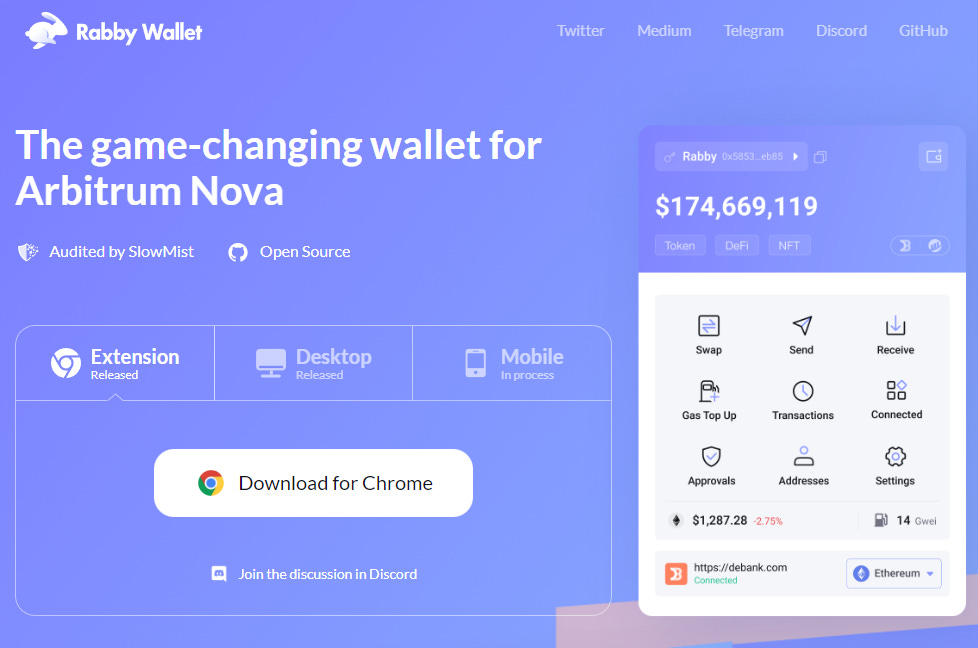
One extension I’ve been recommending to peers for its pragmatic mix of UX and security is rabby. It shows clearer contract scopes, offers transaction previews, and makes approvals less magical. I’m not paid to say that — just callin’ it how I see it.
On a technical level, look for features like domain-bound sessions, nonce protection, and local-only signing. Those reduce attack surface. If the wallet is open source, auditability is a plus, though it doesn’t automatically equal safety. You still need clear UI and sane defaults.
When to use hardware wallets with extensions
Short answer: for big transactions, always.
Hardware keys add a physical confirmation layer that a browser can’t fake for you. They protect your private key from being exfiltrated even if the extension is compromised. That said, hardware devices don’t stop malicious dapps from tricking you into signing a bad transaction — they just make the signing step more deliberate.
So use them together: an extension for convenient UX plus a hardware signer for high-value approvals. That combination keeps your user experience smooth while adding real security where it matters most.
Common questions
How do I check token approvals?
Open your wallet’s approvals or permissions panel and look for allowances. If you see “infinite” or a contract you don’t recognize, revoke or set a limit. Many wallets offer a revoke button; use it after confirming the contract identity. Oh, and by the way… block explorer addresses are your friend for quick verification.
Can I trust new wallets?
Trust is earned. Look for transparent teams, open-source code, community reviews, and security audits. Still, trust should be limited: use small test transactions, check UX for safety nets, and don’t migrate large sums until you’re comfortable. Also, keep backups and a separate cold account.
What about mobile vs extension wallets?
Mobile wallets are convenient and often safer from browser-based phishing. Extensions are better for complex dapp interactions and developer tooling. Either way, protect the seed phrase and prefer wallets that make approvals readable and reversible where possible.
Alright — final thought, and then I gotta go. Security feels like a moving target because attackers adapt. What doesn’t change is this: better defaults, clearer interfaces, and a little bit of user friction go a long way. I’m not 100% sure we’ll ever eliminate scams, but with the right wallet habits you can make them a lot less painful.
标签: